
"20th century coffee"
500 article(s) found

Kenyan coffee with a wonderful fruit flavor
It entered Kenya in the 19th century, when Ethiopian coffee drinks were imported into Kenya through southern Yemen. But it was not until the early 20 th century that the Bourbon Coffee Tree was saint. The Austin Mission (St.AustinMission) was introduced. Kenyan coffee is mostly grown at 15002100 meters above sea level and is harvested twice a year. To ensure that only ripe berries are picked, people must patrol the forest

Is Kenya of Brazilian descent? The source of coffee cultivation in Kenya
Professional coffee knowledge exchange for more information about coffee beans, please follow the introduction of Kenyan Coffee in the front street of the coffee workshop (Wechat official account cafe_style). The original place of origin of Arabica coffee shop is north of Kenya, but it was not until the beginning of the 20th century that it began to engage in coffee cultivation. 19th century missionaries introduced Arabica coffee from Yemen, but did not plant a large number of species until 1893.

Coffee training pot Bilodi Bialetti mocha pot
The earliest way to cook coffee is to directly boil the coffee powder with water on the stove and filter it to drink. Since the 19th century, some people have tried to use steam to brew coffee, hoping to make a strong cup of coffee in a very short time. At the beginning of the 20th century, the industrial revolution began to ferment around the world, and the Italians created a shape and momentum that resembled a steam train boiler and a general espresso coffee machine.

Introduction to the characteristics of Kenyan Coffee Flavor description and Grinding degree treatment
Kenya AA coffee beans are adjacent to Ethiopia, the origin of Arabica coffee trees in the north of Kenya, but it was not until the beginning of the 20th century that they began to engage in coffee cultivation. In the 19th century, missionaries introduced Arabica trees from the leaves, but did not plant them in large quantities. It was not until 1893 that coffee was cultivated on a large scale after the introduction of Brazil's ancient "bourbon" coffee seeds. In other words, the eye

Coffee maker recommends Bilody Bialetti mocha pot
The earliest way to cook coffee is to directly boil the coffee powder with water on the stove and filter it to drink. Since the 19th century, some people have tried to use steam to brew coffee, hoping to make a strong cup of coffee in a very short time. At the beginning of the 20th century, the industrial revolution began to ferment around the world, and the Italians created a shape and momentum that resembled a steam train boiler and a general espresso coffee machine.

Enjoy Italian style more easily than Lotte Bialetti mocha pot
When coffee began to become a common household drink, the earliest cooking method was to directly boil the coffee powder and water on the stove and filter it to drink. Since the 19th century, some people have tried to use steam to brew coffee, hoping to make a strong cup of coffee in a very short time. At the beginning of the 20th century, the industrial revolution began to ferment around the world, and the Italian Luigi Bezzera created a shape and momentum.

Coffee training pot Bilodi Bialetti mocha pot
The earliest way to cook coffee is to directly boil the coffee powder with water on the stove and filter it to drink. Since the 19th century, some people have tried to use steam to brew coffee, hoping to make a strong cup of coffee in a very short time. At the beginning of the 20th century, the industrial revolution began to ferment around the world, and the Italians created a shape and momentum that resembled a steam train boiler and a general espresso coffee machine.

Coffee maker introduces Bilody Bialetti mocha pot
The earliest way to cook coffee is to directly boil the coffee powder with water on the stove and filter it to drink. Since the 19th century, some people have tried to use steam to brew coffee, hoping to make a strong cup of coffee in a very short time. At the beginning of the 20th century, the industrial revolution began to ferment around the world, and the Italians created a shape and momentum that resembled a steam train boiler and a general espresso coffee machine.

Biloti Bialetti mocha pot: enjoy Italian style easily
When coffee began to become a common household drink, the earliest cooking method was to directly boil the coffee powder and water on the stove and filter it to drink. Since the 19th century, some people have tried to use steam to brew coffee, hoping to make a strong cup of coffee in a very short time. At the beginning of the 20th century, the industrial revolution began to ferment around the world, and the Italian Luigi Bezzera created a shape and momentum.

Introduction to Berman Manor of the Origin and characteristics of Kenyan Coffee
Kenya is bordered to the north by Ethiopia, the origin of Arabica coffee trees, but it was not until the beginning of the 20th century that coffee cultivation began. In the 19th century, missionaries introduced Arabica trees from Yemen, but did not plant them in large quantities until 1893. Brazil's ancient bourbon coffee seeds were introduced to cultivate coffee on a large scale. In other words, the current Kenyan coffee is of Brazilian origin.

Introduction of coffee brewing utensils; detailed introduction of Bilody Bialetti mocha pot
The earliest way to cook coffee is to directly boil the coffee powder with water on the stove and filter it to drink. Since the 19th century, some people have tried to use steam to brew coffee, hoping to make a strong cup of coffee in a very short time. At the beginning of the 20th century, the industrial revolution began to ferment around the world, and the Italians created a shape and momentum that resembled a steam train boiler and a general espresso coffee machine.

Kenya Jinchu Valley Coffee Price Taste Manor Production Area Characteristics Variety Treatment Introduction
It entered Kenya in the 19th century, when Ethiopian coffee drinks were imported to Kenya via South Yemen. But it wasn't until the early 20th century that bourbon coffee trees were grown by St. Austin Mission introduced. Kenya coffee is mostly grown at altitudes of 1500- 2100 meters and harvested twice a year. To ensure that only ripe berries are picked, people must be in the forest.

Introduction to the characteristics of coffee grindability treatment in Berman Manor, Kenya
It entered Kenya in the 19th century, when Ethiopian coffee drinks were imported into Kenya through southern Yemen. But it was not until the early 20th century that the bourbon was introduced by the St. Austen Mission (St.AustinMission). Kenyan coffee is mostly grown at an altitude of 1500m, 2100m, and is harvested twice a year. To ensure that only ripe berries are picked, people must be in the forest

Kenya Berman Estate Coffee Flavor Description Grindness Variety Features Price Roasting Record Introduction
It entered Kenya in the 19th century, when Ethiopian coffee drinks were imported to Kenya via South Yemen. But it wasn't until the early 20th century that bourbon coffee trees were grown by St. Austin Mission introduced. Kenya coffee is mostly grown at altitudes of 1500- 2100 meters and harvested twice a year. To ensure that only ripe berries are picked, people must be in the forest.
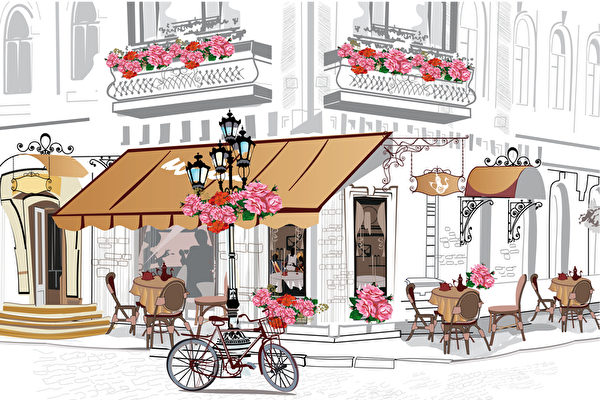
The top ten old cafes in Paris are still very popular after 100 years of operation.
Professional coffee knowledge exchange more information about coffee beans Please follow the coffee workshop (official Wechat account cafe_style) the streets of Paris, cafes can be seen everywhere, it is a part of Parisian life. The oldest cafe in Paris, which has been open since the 17th century and remains open to this day. From the 19th century to the early 20th century, some cafes were inspired by the literary and intellectual elites of Paris.

Fruit flavor Kenyan coffee flavor Berman Manor in the central mountain area of Nyeri
Kenya AA coffee beans are adjacent to Ethiopia, the origin of Arabica coffee trees in the north of Kenya, but it was not until the beginning of the 20th century that they began to engage in coffee cultivation. In the 19th century, missionaries introduced Arabica trees from the leaves, but did not plant them in large quantities. It was not until 1893 that coffee was cultivated on a large scale after the introduction of Brazil's ancient "bourbon" coffee seeds. In other words, the eye

Wonderful fruit flavor-A brief introduction to the taste and flavor of Kenyan boutique coffee
Kenya AA coffee beans are adjacent to Ethiopia, the origin of Arabica coffee trees in the north of Kenya, but it was not until the beginning of the 20th century that they began to engage in coffee cultivation. In the 19th century, missionaries introduced Arabica trees from the leaves, but did not plant them in large quantities. It was not until 1893 that coffee was cultivated on a large scale after the introduction of Brazil's ancient "bourbon" coffee seeds. That is to say,
Kenyan coffee has a wonderful fruit flavor.
Coffee location: Kenya Coffee Garden: the aroma of fruit from African times entered Kenya in the 19th century, when Ethiopian coffee drinks were imported to Kenya through Southern Yemen. But it was not until the early 20 th century that the Bourbon Coffee Tree was saint. The Austin Mission (St.AustinMission) was introduced. Kenyan coffee is mostly grown at 15002100 meters above sea level and harvested in the middle of the year.

Coffee roaster Museum introduces the basics of coffee
Since the mid-19th century, coffee-roasting technology has evolved from the simplest home stove with a pan to today's giant computer-controlled automated roasting equipment (which can roast nearly five tons of coffee beans per hour). In 1877, the German commercial roaster began to have the patent design right, which is a baking designed by Emmerich Company.

The irresistible unique charm of cappuccino coffee
At the beginning of the 20th century, when the Italian Azibucha invented the steam pressure coffee machine, he also developed cappuccino coffee. Cappuccino is an Italian coffee mixed with the same amount of espresso and steamed milk, the color of which is like a cappuccino monk covering a dark brown coat, hence the name caffeine. Tradition